Capability index
What we are actually hired to do
Six lines of work, written the way a scope of work is written. We are deliberately industry-agnostic: the problems repeat across every sector, and only the vocabulary changes.
Line-of-business applications
The system a team runs its day on. Intake, workflow, approvals, records and audit trail, built to the process you actually follow rather than the one a product assumes.
Integration & data exchange
Getting two systems that were never meant to speak to agree. APIs, scheduled file exchange, database bridges, queues, and the reconciliation nobody budgets for.
Engineering & process automation
Removing the repeated manual step. Document generation, rules-driven configuration, CAD and PDM automation, batch processing, and the scripts that stop a person retyping data.
Reporting & decision surfaces
The one screen a director opens before a meeting. Built on your source of record, refreshed on a schedule you set, with the arithmetic written down and checkable.
Legacy modernization
Moving off something that still works but nobody will touch. Strangler-pattern replacement in stages, with the old system live until the new one has proved itself.
Prototypes & feasibility builds
A working answer to “can this even be done” before anyone writes a budget line. This is the fastest thing we do, and it is usually the first thing we do.
Where the work sits, and what you are left holding
The technical evaluator, the security reviewer and the contracts attorney are all asking a version of the same question. This is the answer to all three, on one diagram.
A surface, not a slide
This is the kind of screen the first call ends with. It is an illustrative build made for this site, using sample figures — not a customer system, and not a claim about one.
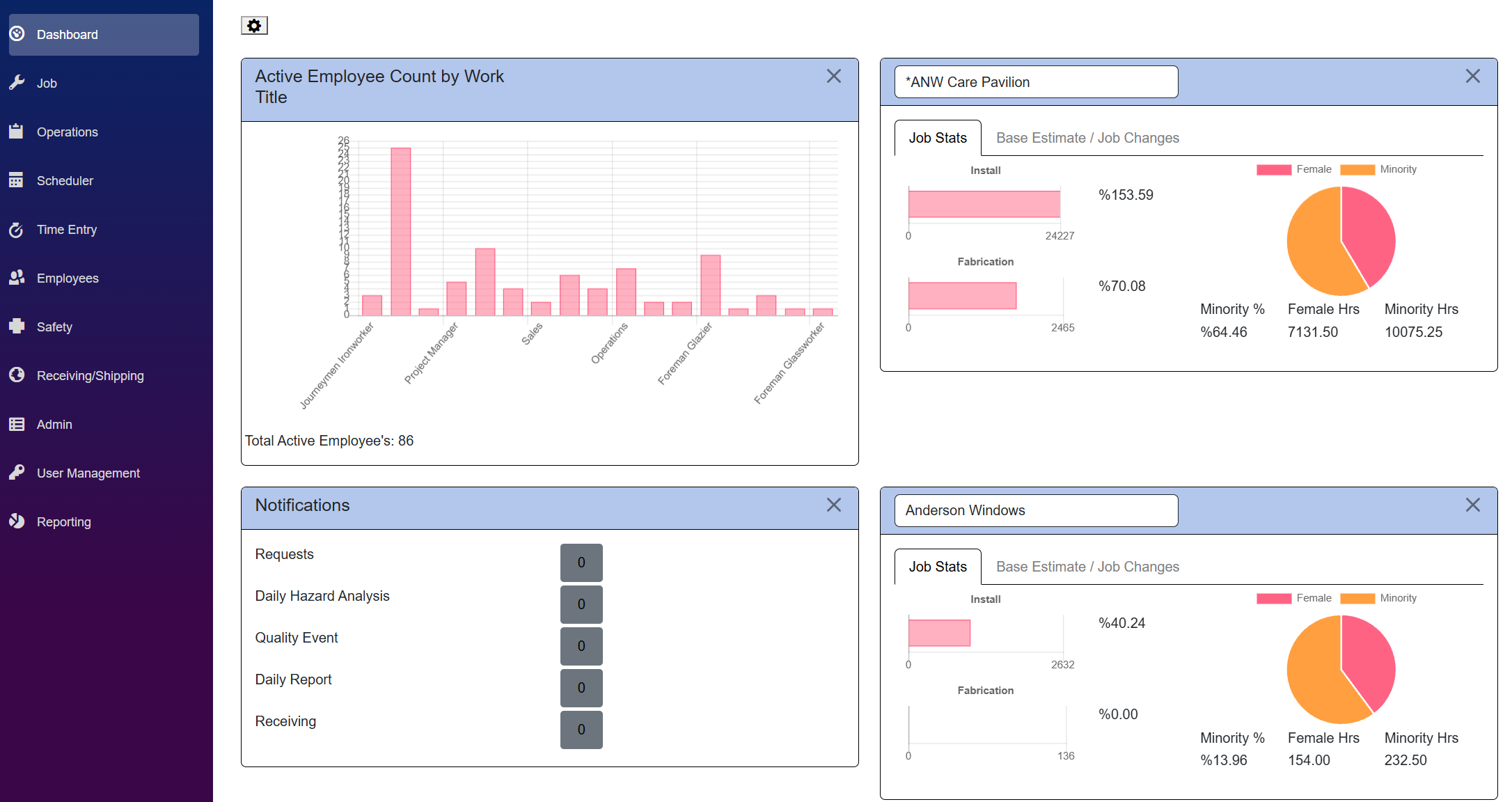
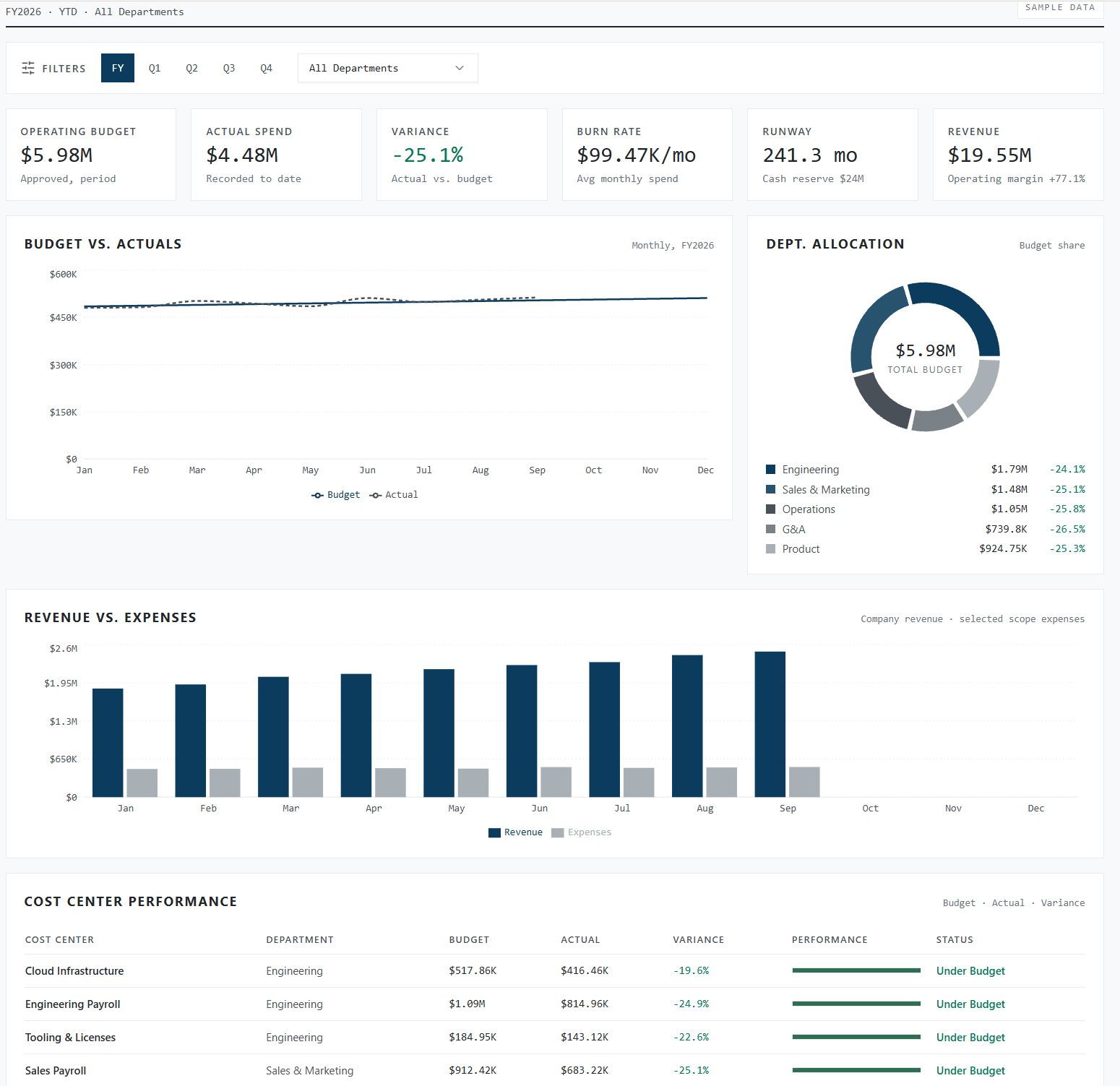
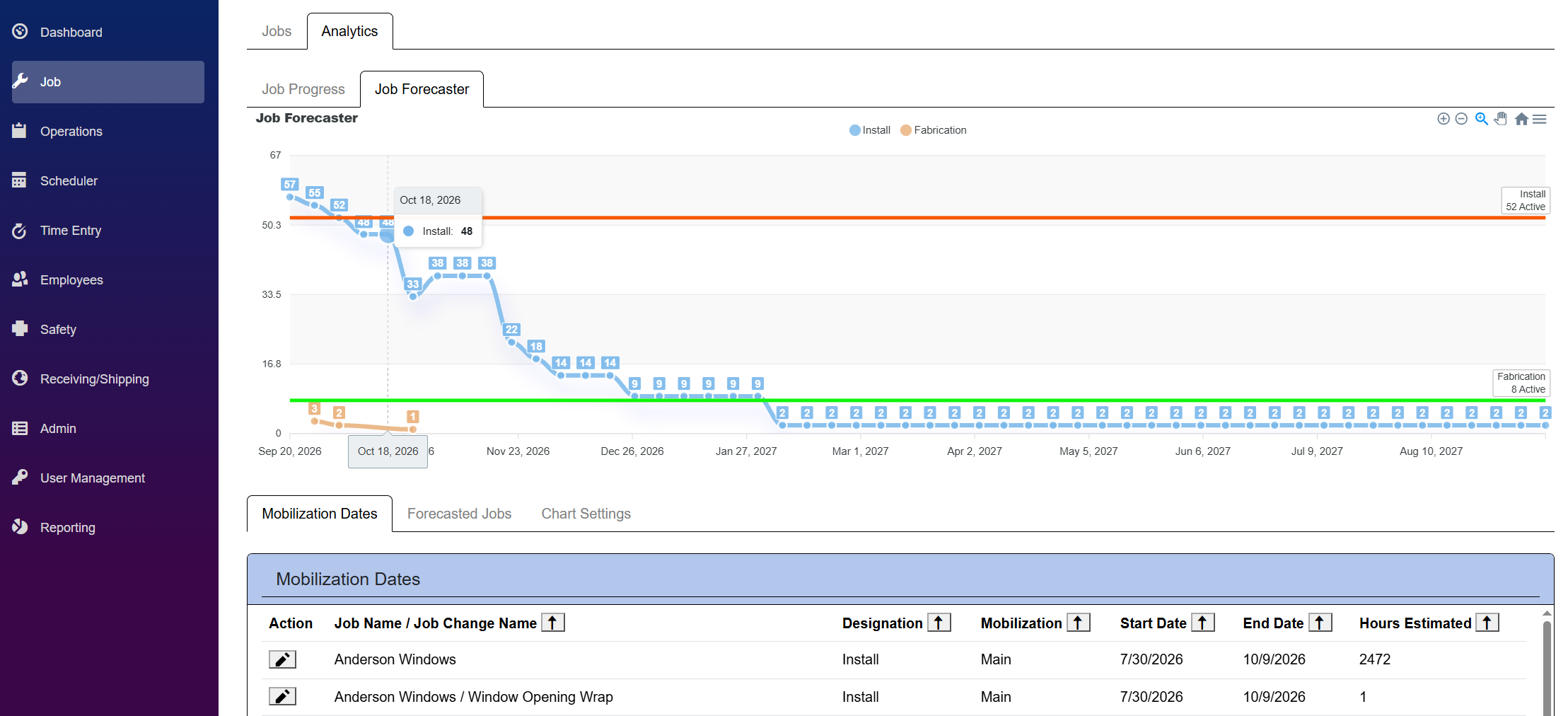
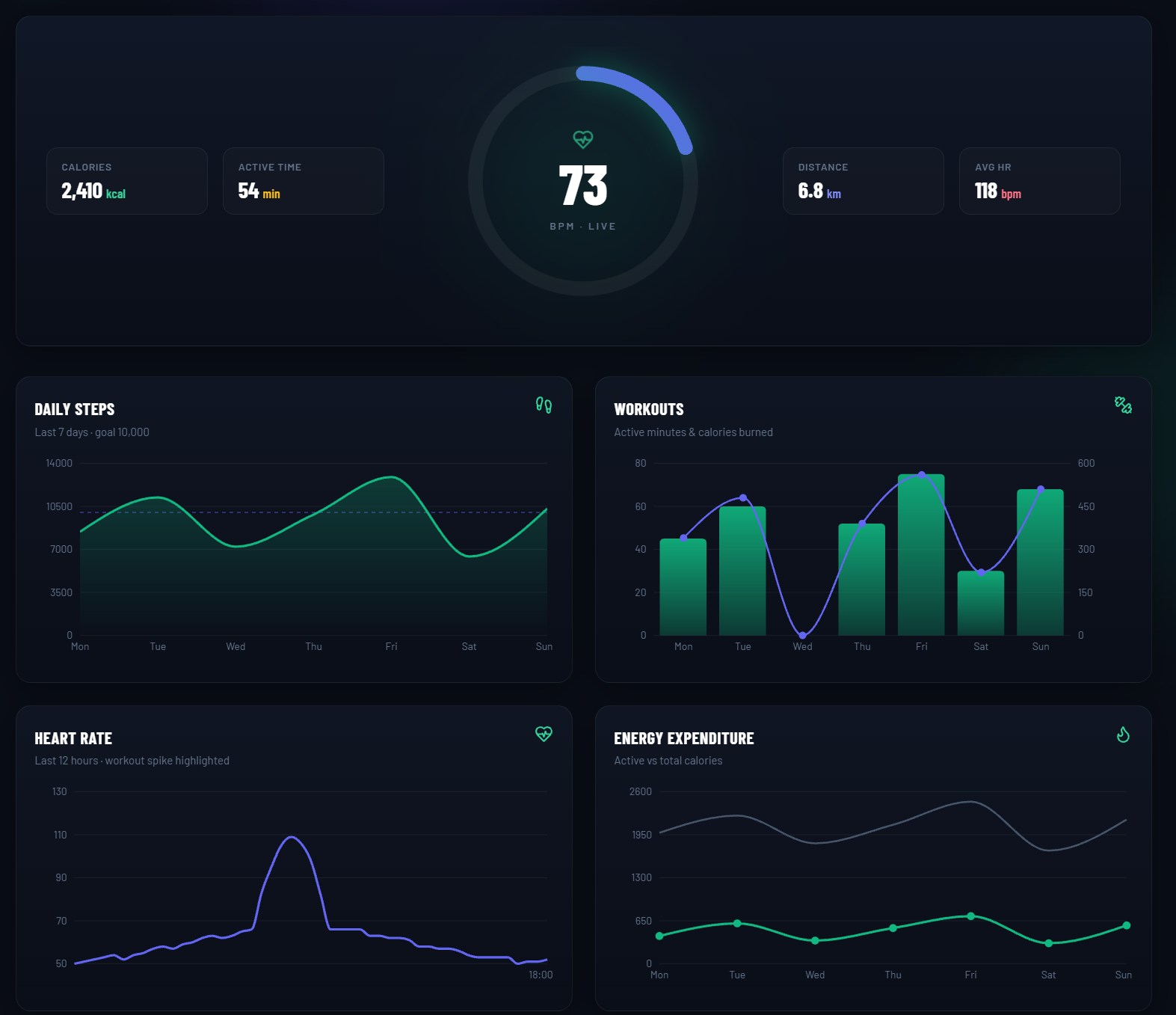
Note These are working surfaces built by Arkevex people, shown with sample data. They are illustrative of the kind of screen we deliver; they are not published client systems, and no client name, logo or real figure appears anywhere on this site.
Ready when you are
Bring the hardest thing on your list
The first call is scoping, not a pitch. Bring the process everyone complains about, or the integration two vendors have already failed at. You will leave the call with something running, or with a straight answer about why it cannot be.